Timeless Texture: Why Vintage Paper Backgrounds Elevate Any Design
There is a distinct feeling of authenticity that comes with age. In the digital world, where vector perfection is the norm, we often crave the tactile imperfections of the real world. This is where Plain Vintage Paper Texture Backgrounds step in to bridge the gap between the screen and reality. These assets are not just images of old paper; they are digital tools designed to inject history, warmth, and narrative into your creative work. If you are looking to add a layer of sophistication or rustic charm to your project, understanding how to utilize these textures is essential for any modern designer or content creator.
The Visual Character of Grungy Old Paper
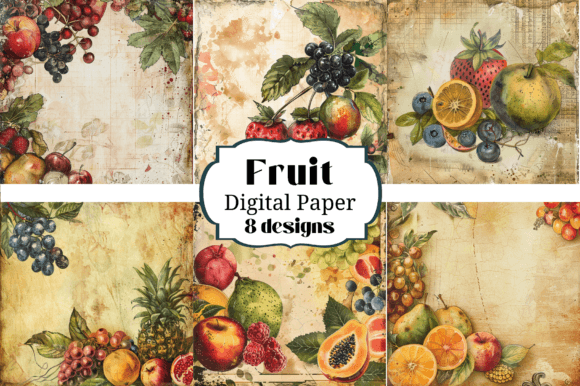
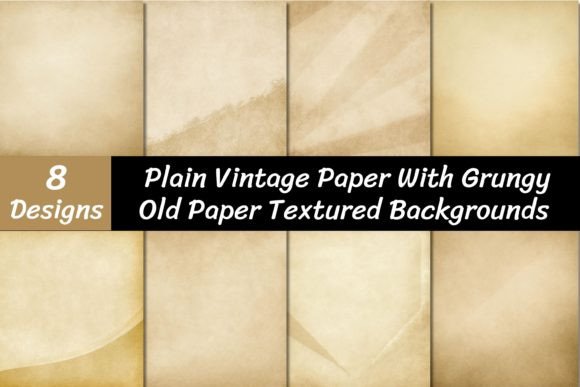
When we talk about "Plain Vintage Paper Texture Backgrounds," we aren't referring to stark white sheets. We are talking about the visual language of time. The included files in this collection feature high-resolution, 3600 x 3600 pixel imagery that captures the subtle nuances of aged cellulose. You will notice the slight yellowing that occurs naturally over decades, the faint foxing spots, and the delicate creases that tell a story of handling and storage.
The appeal lies in the "grungy" element. This isn't dirt; it is patina. The textures possess a grain structure that mimics the fibrous nature of vintage paper stock. Because these files are delivered at 300 DPI, you have the resolution to zoom in on these details without pixelation. This high-fidelity look is crucial for professional print work, ensuring that your design assets hold up under scrutiny. The personality of these backgrounds is one of quiet resilience. They suggest that the content placed upon them is substantial, trustworthy, and worthy of attention.
Practical Applications for Modern Creators
The versatility of these textures extends far beyond scrapbooking. For the entrepreneur or small business owner, these backgrounds serve as a foundation for a distinct brand identity. Imagine a coffee roaster or a boutique distillery using this texture for their packaging design. It immediately communicates a heritage of craftsmanship. Similarly, in web design, a subtle vintage paper texture can be used as a background for a "About Us" page, grounding the digital experience in a human, historical context.
Bloggers and publishers can use these assets to break up the monotony of standard digital layouts. When you are writing about history, travel, or lifestyle topics, a textured background sets the mood before the reader even processes the first word. For social media graphics, where the scroll is fast, these textures act as a thumb-stopper. They provide a tactile quality that contrasts sharply with the polished, plastic look of standard corporate marketing. Whether you are creating a flyer for a local event or a digital invitation, the "grungy old paper" look adds a layer of emotional resonance that clean, sterile backgrounds simply cannot match.
Integrating Texture with Typography and Hierarchy
One of the most common mistakes in editorial design is treating background textures as an afterthought. However, when working with Plain Vintage Paper Texture Backgrounds, the texture must work in harmony with your typography to maintain readability. Because these textures have a lot of "noise" and visual character, you need to be strategic with your font choices.
Avoid using very thin, light-weight sans-serif fonts directly on top of the busiest parts of the texture; they can get lost in the grain. Instead, opt for bolder typefaces. A strong serif font pairs beautifully with vintage paper, reinforcing the classic aesthetic. If you prefer a modern typography approach, a geometric sans serif font with a medium to bold weight can create a striking contrast—modern meets retro. This contrast is often where the most interesting design happens.
Furthermore, consider the hierarchy. If you are designing a poster, the background texture sets the stage, but your headline needs to command attention. You might need to apply a slight shadow, a stroke, or a subtle overlay behind your text to ensure the visual hierarchy remains intact. The goal is to let the texture enhance the message, not compete with it. By testing different font pairing options against the JPEG files, you can find the sweet spot where the text feels "inlaid" into the paper rather than floating on top of it.
Working with the Files: A Technical Perspective
From a workflow perspective, these design assets are built for efficiency. The files are delivered as JPEGs, which is the industry standard for photographic textures. This ensures compatibility with virtually every design software, from Adobe Photoshop and Illustrator to Canva and Procreate. The 3600 x 3600 pixel dimension is particularly useful. It is a versatile square format that allows you to crop vertically for a portrait layout or horizontally for a landscape banner without losing significant resolution.
It is important to note that these files come zipped. This is a standard practice for premium font and texture packs to preserve file integrity during download. Before you begin your project, ensure you have an unzipping utility like WinZip or Winrar installed. Once extracted, you will find the eight distinct variations of the plain vintage paper. I recommend loading all eight into your workspace at the start of a project. Even if you have a favorite, lighting conditions and color tones vary slightly between them. Having them all accessible allows you to switch backgrounds quickly to see which specific shade of "aged" works best with your specific color palette.
Commercial Use and Final Thoughts
For the marketer or creative professional, the commercial viability of an asset is just as important as its aesthetic. These Plain Vintage Paper Texture Backgrounds are designed for both personal and commercial use. This means you can confidently use them in client work, merchandise, and digital products for sale without legal ambiguity.
When evaluating the fit for a project, consider the emotional arc you want to create. Are you selling a service that requires trust and stability? The weight of vintage paper suggests permanence. Are you creating a logo design for a heritage brand? This texture can serve as a mockup background to show how the logo might look in a real-world environment. The value of these assets lies in their ability to transform a flat, two-dimensional digital canvas into a rich, sensory experience. By utilizing these high-quality textures, you aren't just decorating a page; you are building a world for your audience to step into. Download the collection, unzip the possibilities, and start layering history into your next masterpiece.