Abstract Watercolor Backgrounds: Handpainted Assets for Creative Projects
There's a specific kind of frustration that comes with searching for a watercolor texture that doesn't look digitally manufactured. You know the one—it's either too pixelated, too uniform, or has that uncanny valley quality where you can almost see the algorithm behind the brushstrokes. Abstract watercolor backgrounds that are genuinely handpainted solve this problem in a way that stock alternatives rarely can, and when they arrive as high-resolution files on transparent backgrounds, the creative possibilities multiply significantly.
What Makes These Watercolor Backgrounds Different
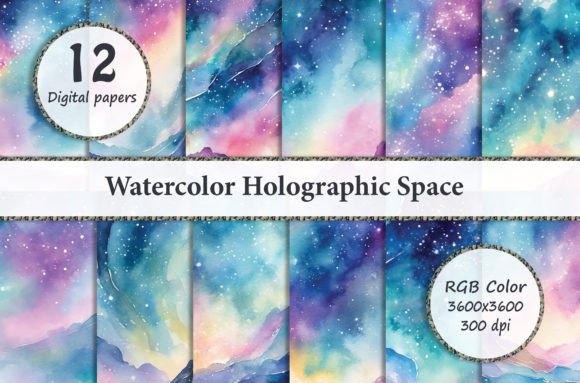
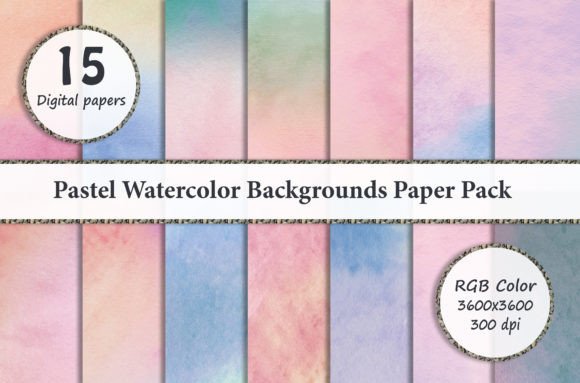
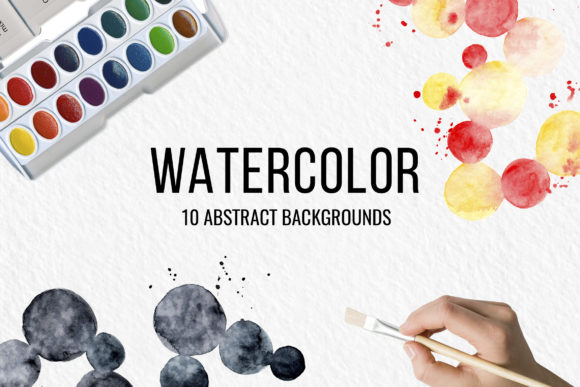
Each of the 10 files in this collection was painted by hand before being digitized, which means the organic bleed patterns, pigment pooling, and color variations you'd expect from actual watercolor on paper are all present. The transparency is the real advantage here. Rather than wrestling with masking tools to isolate a texture from a white or colored background, you can drop these directly onto any surface—dark backgrounds, photographs, patterned papers—and the watercolor elements sit naturally on top without that telltale halo effect that screams "I pasted this from a stock site."
At roughly 3000x4500 pixels, the resolution supports large-format printing without degradation. That's enough detail for a 20x30 inch print at 150 DPI, or generous cropping for digital applications where you only need a portion of the texture. The .PNG format preserves the transparency and color depth, which matters more than people realize when you're working with subtle color transitions like those found in watercolor washes.
Where Abstract Watercolor Backgrounds Actually Work
Wall art is an obvious application, and these backgrounds perform beautifully there. But the more interesting uses tend to emerge when designers start thinking beyond the expected. Wedding stationery, for instance, benefits enormously from watercolor textures that feel handmade rather than mechanical. A soft wash behind invitation text creates warmth that no sans serif font alone can deliver, and the transparent background means you're not locked into a single color scheme.
Fabric designers working on repeat patterns for scarves, upholstery, or apparel often struggle to find textures that scale well. These backgrounds give you a starting point with genuine painterly character that can be tiled, mirrored, or combined with other design assets without losing their organic quality. The key is treating them as components rather than finished products—layer them, adjust opacity, combine two or three washes to build something that's entirely your own.
For greeting card creators and small publishers, the collection offers enough variety to produce a cohesive product line without repetition. Each watercolor has its own personality—some lean warm with amber and coral undertones, others carry cooler blues and greens—so you can match backgrounds to seasonal themes, recipient demographics, or the tone of your messaging. A script font or handwritten font paired with a soft watercolor wash creates an immediate sense of intimacy that works for everything from sympathy cards to baby shower invitations.
Practical Considerations for Working With Handpainted Assets
The transparency that makes these files so versatile also means you need to think carefully about what sits beneath them. A watercolor wash on a pure white background reads as delicate and airy. The same wash on a deep navy becomes rich and moody. On a photograph, it adds artistic texture without obscuring the image entirely. This adaptability is precisely why professional designers prefer transparent backgrounds, but it does require a few test placements before committing to a final layout.
Color management deserves attention, especially if your project involves both screen and print outputs. Watercolor textures can shift noticeably between RGB and CMYK color spaces, particularly in the purple and teal ranges. If you're designing for print—whether that's packaging design, editorial design, or physical products—build in time for proofing. What looks luminous on a monitor sometimes flattens on uncoated paper stock.
When pairing these backgrounds with typography, contrast becomes your primary tool. A bold, geometric display font cuts through visual texture more effectively than a thin, delicate one. That doesn't mean you're limited to heavy typefaces, but it does mean testing readability at actual size rather than relying on how text looks in your layout software at zoom. Print a sample. View it on your phone. Ask someone unfamiliar with the project to read it. These simple checks prevent the disappointment of beautiful textures that undermine legibility.
Building a Consistent Visual Language
For entrepreneurs and small business owners developing a brand identity, abstract watercolor backgrounds offer something that geometric patterns and solid colors don't: emotional warmth with built-in visual interest. A consistent watercolor palette across social media graphics, website headers, and printed materials creates recognition without rigidity. The slight variations inherent in handpainted work actually strengthen this effect—your materials feel cohesive without looking mass-produced.
The practical approach is to select two or three backgrounds from the collection that complement your existing color palette and commit to those across touchpoints. Use one as your primary texture for hero images and large applications. Reserve others for secondary uses—quote graphics, blog post headers, email banners. This selective consistency is how professional brands use creative font pairings and design assets to build recognition over time without monotony.
Whether you're creating web design elements, designing logo design presentations, or producing physical goods, these handpainted watercolor backgrounds provide the kind of authentic texture that distinguishes polished work from template-driven output. The files are ready to use immediately, but their real value lies in how they adapt to your specific vision—layered, cropped, recolored, and combined until they become something that belongs entirely to your project.