Blue and Pink Alcohol Ink Backgrounds: A Designer's Guide
There’s a certain magic in the way color bleeds and blooms on paper, a controlled chaos that feels both organic and intentional. This is the essence of alcohol ink art, and it’s a magic you can now harness in your digital projects. The Blue and Pink Alcohol Ink Backgrounds collection brings that vibrant, fluid aesthetic directly to your screen, offering a pack of beautiful, AI-generated illustrations designed to spark immediate creativity. Think of these not just as images, but as foundational textures and focal points for your work.
The Visual Character: Organic Flow Meets Digital Precision
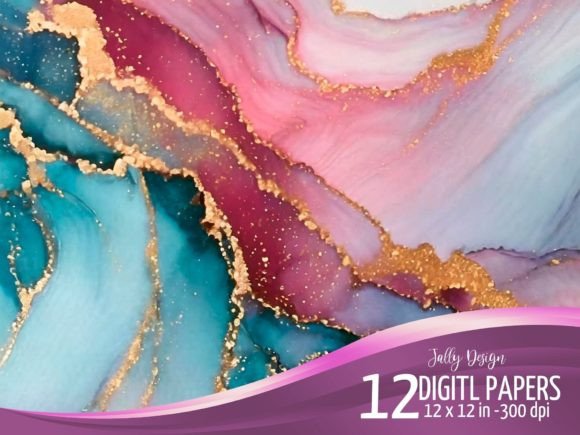
At its core, this collection is about movement and emotion. The backgrounds showcase the signature alcohol ink look: intense, saturated hues of blue and pink that interact in surprising ways. You’ll find deep navy and cerulean blues swirling with soft blush pinks and vibrant magentas, creating everything from gentle, ethereal washes to dramatic, high-contrast compositions. The details are stunning when you zoom in—delicate tendrils of color, subtle gradients, and the occasional hint of metallic shimmer or milky opacity that gives the pieces real depth.
The personality of these backgrounds is versatile. They can feel playful and romantic, perfect for a wedding invitation suite, or bold and modern, ideal for a tech startup’s social media campaign. The style bridges the gap between traditional mixed-media art and clean digital design, offering a textured, human touch in a medium that often feels sterile. This isn’t a flat, uniform pattern; it’s a living surface that tells a story, making it a powerful asset for any designer looking to add authentic visual interest.
Practical Applications: Where These Backgrounds Shine
The true value of a design asset like this lies in its adaptability. Let’s move beyond theory and look at where Blue and Pink Alcohol Ink Backgrounds can genuinely elevate your projects.
For Branding and Identity: A background from this collection can become the cornerstone of a brand identity. Imagine a lifestyle blog or a boutique cosmetics company using one of the softer, more blended versions as a website hero image or a texture for business cards. The organic feel communicates creativity, artistry, and a personalized approach. For a logo design, a carefully cropped section could serve as a striking background element, allowing a clean sans serif font or an elegant serif font to pop against the vibrant color. It’s a way to build a premium and memorable visual language.
In Marketing and Digital Content: These are perfect for cutting through the noise online. Use them as backgrounds for quote graphics, sale announcements, or podcast covers on Instagram and Pinterest. The high-resolution 300dpi and 12x12 inch dimensions mean they look crisp even on large screens. For email marketing, a subtle, desaturated version can frame a newsletter header beautifully. In packaging design, they can inspire a product’s color palette or serve as a direct background for labels on artisanal goods like candles, soaps, or gourmet treats.
For Print and Personal Projects: The .JPEG format and printable specs make them ready for physical media. Create stunning invitations, greeting cards, or art prints. The possibilities extend to fashion—think all-over prints for scarves or tote bags—and wallpapers for your phone or computer, offering a daily dose of inspiration. Crafters can use them as backdrops for scrapbooking, decoupage, or resin art. The key is to see each background as a starting point, a canvas upon which you can layer text, graphics, and other elements.
Integration and Execution: Making It Work
Simply placing a vibrant background isn’t enough; thoughtful integration is what separates good design from great design. Here’s how to work with these assets effectively.
Typography and Readability: The most critical consideration is ensuring your text remains legible. If you’re using a busy, high-contrast section of the background, pair it with a bold, simple typeface. A strong display font or a clean sans serif font with ample weight will stand up to the visual competition. For areas where the ink is more diluted or pastel, you have more freedom to experiment with delicate script fonts or handwritten fonts. Always test your font pairing at the final size to check for readability. Adding a subtle drop shadow or a semi-transparent overlay behind your text can also create a necessary visual hierarchy.
Color Coordination and Brand Perception: Use the eyedropper tool to pull direct colors from your chosen background. This creates instant harmony in your design assets. The blue and pink palette is inherently versatile—it can evoke trust and professionalism (blue) alongside warmth and approachability (pink). This balance can positively influence brand perception, making a brand feel both reliable and human. For editorial design or web design, using a consistent background style across a series of blog posts or a website’s section headers builds visual consistency and strengthens brand recognition.
Evaluating and Choosing: Don’t just pick the prettiest one. Consider the mood of your project. Is it energetic or calming? Corporate or artistic? Zoom into the details of each illustration. Some might have sharper, more defined edges, while others are softer and more diffuse. The former might work better for modern typography layouts, while the latter suits romantic themes. Since these are AI-generated illustrations, each one is unique, so take the time to browse the entire pack. Think about how you might crop or mirror the image to get different effects from a single file.
Ultimately, this collection is a toolkit. It provides the raw, beautiful material. Your role as the designer, marketer, or creator is to shape that material with intention, pairing it with the right typography, layout, and messaging to produce work that resonates. The goal is to use these backgrounds not as a crutch, but as a catalyst—to let their organic energy inspire more thoughtful, engaging, and professional creative output. Start experimenting, and see where the flow of color takes your next project.