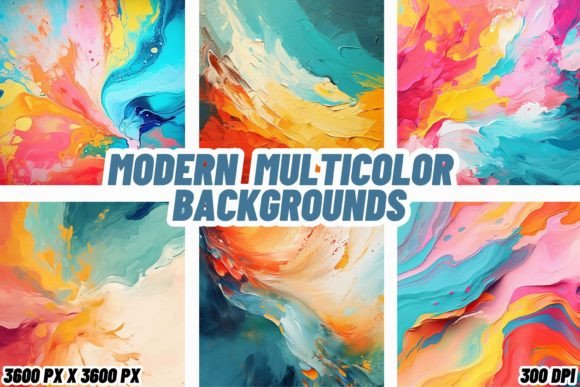
Elevate Your Visuals: The Power of Modern Multicolor Backgrounds
In the crowded digital landscape, grabbing and holding attention is the first hurdle. Whether you're designing a website hero image, crafting a social media post, or putting together a pitch deck, the background sets the stage. A plain white or solid color can work, but it often lacks the energy needed to make a project truly pop. This is where modern multicolor backgrounds come into play, offering a dynamic and contemporary solution for creators who want to inject vibrancy and professionalism into their work. These aren't the clashing neons of the 80s or the muted pastels of the 90s; today's multicolor designs are sophisticated, balanced, and full of life.
Understanding the Modern Multicolor Aesthetic
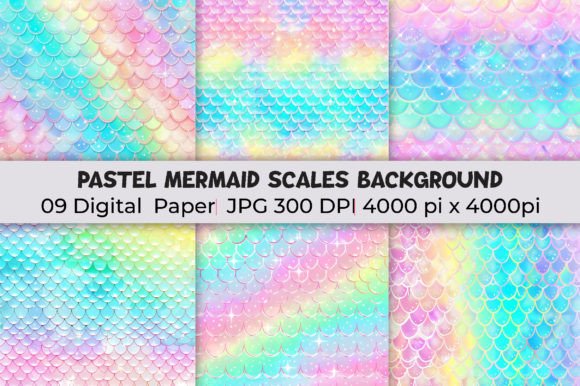
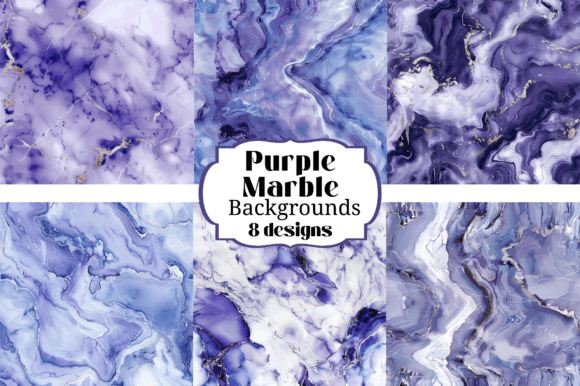
What defines a "modern" multicolor background? It's all about intentional color harmony and contemporary design trends. Think of a palette that feels fresh and current—perhaps a blend of deep teals, warm corals, soft lavenders, and crisp yellows, all flowing together in abstract shapes or subtle gradients. The personality of these backgrounds is energetic yet refined. They convey creativity, innovation, and a forward-thinking mindset. The style often leans into fluid forms, geometric patterns, or textured color washes that feel tactile and premium. The overall appeal lies in their versatility; they provide a visually stunning canvas that enhances, rather than overpowers, the foreground content placed upon them.
Where These Vibrant Backgrounds Truly Shine
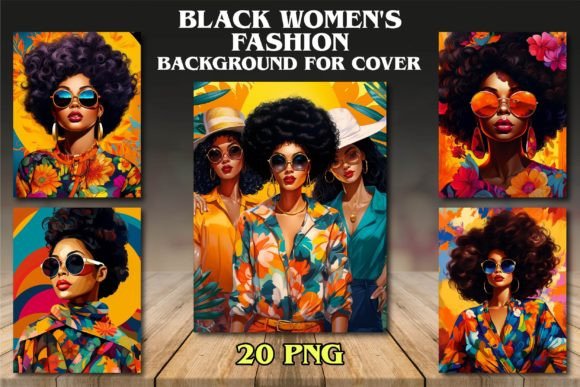
The applications for a high-quality multicolor background collection are vast, spanning both digital and print realms. For web design, they make perfect hero sections or blog post feature images, immediately drawing the visitor's eye and setting a creative tone. In social media graphics, where the scroll is relentless, a striking multicolor backdrop can be the difference between being ignored and getting engagement. It helps posts from brands, influencers, and content creators stand out in a sea of static images.
Beyond the screen, these backgrounds are invaluable for presentation design. A slide deck using these vibrant backdrops feels more engaging and memorable, helping to keep an audience focused during pitches or internal meetings. For brand identity work, especially for startups, tech companies, or creative agencies, incorporating these backgrounds into marketing materials, website banners, or even as subtle textures in print collateral can build a perception of innovation and energy. They are also perfect for digital art, editorial design for modern magazines or e-books, and packaging design for products targeting a youthful, dynamic audience. Even for personal projects like custom wallpapers or digital invitations, the right multicolor background adds a polished, professional touch.
Making Them Work: Practical Tips for Your Projects
Simply having a pack of beautiful backgrounds isn't enough; using them effectively is key. The first step is evaluating the project's fit. Is your goal to convey playful energy or sophisticated innovation? Choose a background from your collection that matches that mood. A background with soft, blended pastels works differently than one with bold, intersecting geometric shapes.
Next, consider visual hierarchy and readability. This is crucial. Your background should support your content, not fight with it. If you're placing text over a busy, multicolor background, ensure there is enough contrast. This might mean using a solid color block behind the text, applying a subtle semi-transparent overlay, or choosing a background with a less intricate pattern in the area where text will sit. Always test your foreground elements—whether it's a headline in a bold sans serif font or body copy in a clean serif font—against the background at various sizes to ensure it remains legible.
When it comes to font pairing, modern multicolor backgrounds offer a fantastic opportunity to experiment. Because the background is already a strong visual element, you can often pair it with simpler, more neutral typefaces. A clean, geometric sans serif can complement a fluid background beautifully, letting the color take center stage. Alternatively, a stylish script font or a handwritten font used for accents can add a human touch against the digital vibrancy of the colors. The key is to create balance so the overall design feels cohesive, not chaotic.
Choosing and Using Your Background Collection
When selecting a set of modern multicolor backgrounds, quality matters. Look for high-resolution files (like 300 DPI for print or 4K dimensions for digital) to ensure your projects look crisp and professional at any scale. A good collection will offer variety—different color combinations, patterns, and levels of complexity—so you have options for different moods and applications.
Always review the licensing. For any commercial project—whether it's for a client, for sale, or for your business's marketing—you need to confirm the backgrounds come with a proper commercial license. This protects you legally and ensures you can use the assets confidently across all your work.
Finally, don't be afraid to customize. These backgrounds are design assets, not final products. You can crop them, adjust their color balance to better match your brand's palette, layer them with textures, or use them as part of a larger composite. The goal is to make them your own. By thoughtfully integrating these vibrant backdrops, you can transform standard designs into captivating visual experiences that resonate with your audience and elevate the perceived quality of your work. Start experimenting, and let the chromatic harmony inspire your next creative project.