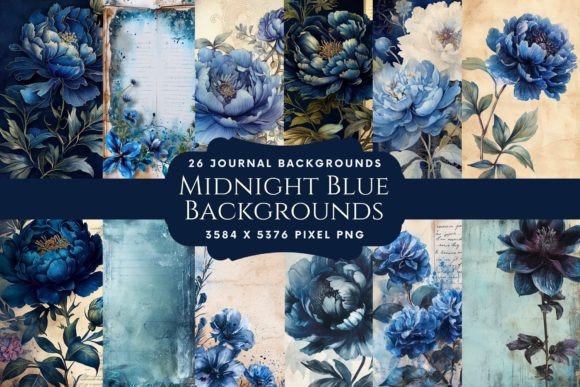
Elevate Your Visuals with Professional Bokeh Backgrounds
In the world of design, capturing attention often comes down to the subtle details that frame your main subject. A photograph or a product mockup can be technically perfect, but if the background is flat or distracting, the impact is lost. This is where high-quality textures come into play. Specifically, bokeh backgrounds offer a unique blend of abstraction and light that can transform a standard image into something artistic and engaging. If you are looking to save time while ensuring your projects look polished, utilizing a curated pack of backgrounds is a strategic move for any creative professional.
The Visual Character of Bokeh and Motion Blur
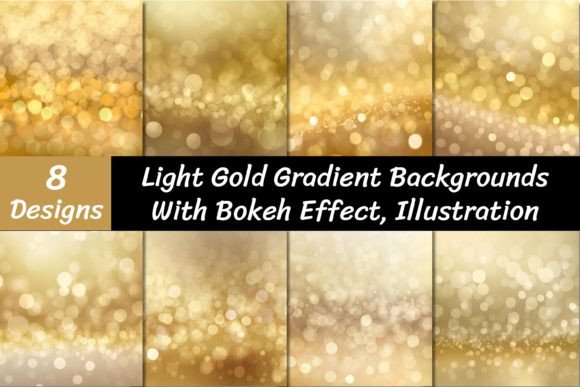
For those unfamiliar with the term, "bokeh" refers to the aesthetic quality of the blur produced in the out-of-focus parts of an image. It is derived from the Japanese word for "blur" or "haze." In a design context, a bokeh background is characterized by soft, out-of-focus circles of light, often with a dreamy, ethereal quality. These backgrounds are not just random blurs; they are carefully constructed to mimic the way a high-end camera lens renders light sources. The result is a texture that feels organic, warm, and deeply atmospheric.
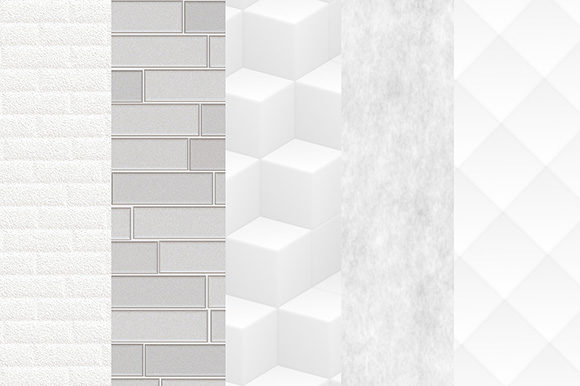
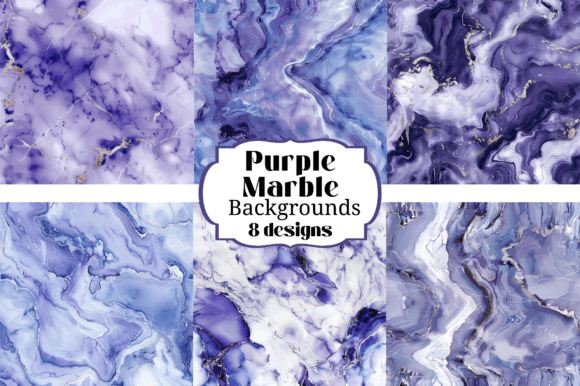
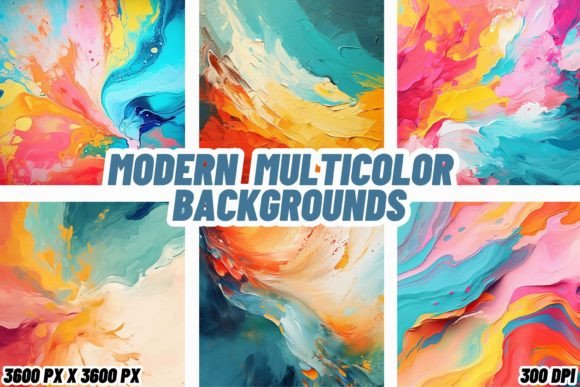
The specific collection we are discussing here contains ten distinct backgrounds, sized at a robust 3000x2000 pixels. This resolution is crucial for modern design work. It ensures that the image remains crisp and usable even when applied to large format prints or cropped for specific digital layouts. The visual style of these assets bridges the gap between abstract art and functional texture. You will find elements of multicolor holographic paper, soft watercolor paint effects, and motion blur textures. This variety allows you to match the background to the specific mood of your project, whether you need something vibrant and energetic or soft and subtle.
Practical Applications for Designers and Entrepreneurs
The versatility of these backgrounds is one of their strongest selling points. They are not limited to a single niche. Instead, they serve as foundational design assets across a wide range of industries. Here is how different professionals can leverage this pack:
- Graphic Designers and Brand Strategists: When building a brand identity, consistency is key. Using a cohesive set of backgrounds for social media graphics or website headers helps unify the visual language. These abstract shapes work beautifully as a backdrop for a logo design or a hero image on a landing page, adding depth without competing with the typography.
- Marketers and Content Creators: Attention spans are short. On platforms like Instagram or Pinterest, an image needs to stop the scroll. A high-contrast text overlay on a vibrant bokeh texture can significantly improve engagement rates for promotional posts or blog headers.
- Product Mockups and Packaging: If you are selling physical goods, presentation matters. These backgrounds are ideal for product mockups. Imagine a skincare bottle or a piece of jewelry placed against a soft, blurred watercolor background. It elevates the perceived value of the product, making it look premium and high-end.
- Publishers and Editors: In editorial design, finding the right background for a magazine cover or a chapter title page can be challenging. These artistic textures provide a sophisticated base that complements both serif fonts and sans serif fonts, adding a layer of professional polish to print layouts.
Integrating Textures with Typography
A background is only as good as the content that sits on top of it. When working with bokeh backgrounds, typography choices become critical. Because these backgrounds are visually complex, you need to ensure your text remains readable. This is where font pairing comes into play.
Generally, bold, clean typefaces work best against busy textures. A heavy weight sans serif font often provides the necessary contrast to stand out against the soft circles and motion blurs. If you prefer a more elegant look, a structured serif font can work, provided the background is blurred enough to not interfere with the letterforms. Avoid using highly intricate script fonts or handwritten fonts directly over the most detailed parts of the background, as this can cause visual clutter and reduce readability.
Consider the hierarchy of your design. The background should support the message, not overshadow it. If you are designing a slide deck or a presentation, you might use the bokeh texture on the title slide, then switch to a solid color or a very faint texture for the content slides. This creates a rhythm in your visual storytelling that keeps the audience engaged without causing visual fatigue.
Streamlining Your Workflow
One of the biggest challenges for freelancers and small business owners is time management. Sourcing, creating, and editing assets from scratch is time-consuming. By investing in a ready-made pack of premium design assets, you are effectively buying back hours of your time. These backgrounds are pre-formatted in JPG, which is universally compatible with software like Adobe Photoshop, Illustrator, Canva, and Figma.
Furthermore, the aesthetic of these backgrounds aligns with current modern typography and design trends. There is a growing appreciation for "digital craftsmanship"—artwork that feels tactile and handmade, even if it is digital. The paint textures and geometric shapes included in this collection tap into that trend, allowing you to create designs that feel current and relevant. Whether you are working on a personal art project, a client's website, or a commercial advertising campaign, having a library of abstract backgrounds at your disposal is a practical necessity for any serious creative.