Industrial Elegance: Using Distressed Metal Backgrounds
The Raw Appeal of Weathered Textures
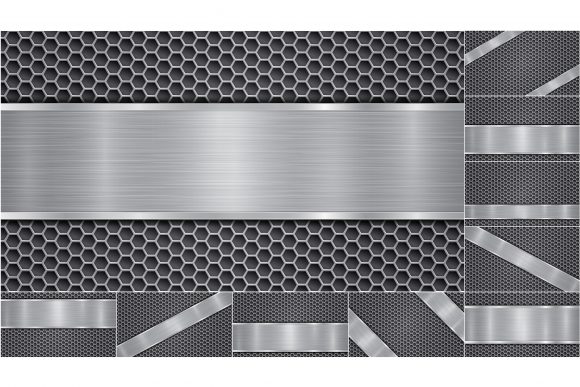
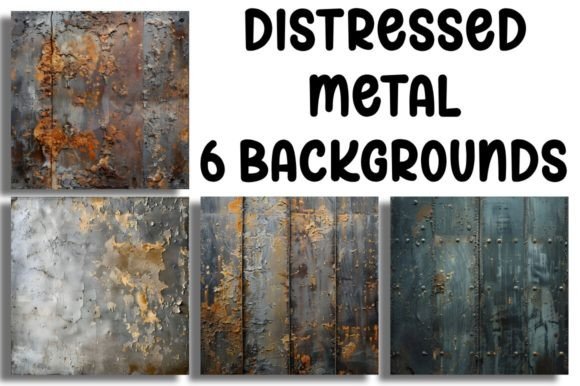
There's a certain authenticity that comes with age and use. A surface that's been weathered by the elements or worn by time tells a story, and that narrative power is exactly what our Distressed Metal Backgrounds collection brings to your projects. This set of six meticulously crafted backdrops isn't just about a rough texture; it's about capturing the soul of industrial character. Think of the subtle variations in a rusted panel, the complex layers of a chipped paint job revealing years of history underneath, or the oxidized patina on an old steel beam. Each background in this collection offers a unique chapter of that visual story, providing a canvas that feels both rugged and deeply sophisticated.
Unlike a flat, single-tone background, these distressed metal surfaces have inherent depth. They create immediate visual interest and a sense of tactile reality. The personality they convey is one of resilience, strength, and unapologetic honesty. For a designer, this is a powerful tool. It allows you to ground your work in a reality that feels tangible, adding a layer of grit and authenticity that polished, perfect surfaces simply can't match. The overall appeal lies in this tension—the industrial, raw nature of the metal combined with the elegant, curated way it's presented as a design asset.
Where Distressed Metal Backgrounds Truly Shine
The versatility of a strong background is what makes it a valuable part of your design toolkit. These Distressed Metal Backgrounds excel across a wide range of applications, adapting their character to fit the specific needs of your project.
For Branding and Identity
When you're building a brand identity, every element communicates a message. A distressed metal background can instantly position a brand as rugged, authentic, and built to last. It’s an excellent choice for businesses in the craft, artisan, or outdoor sectors. Imagine a logo for a local brewery, a coffee roaster, or a custom motorcycle shop presented against a dark, textured steel backdrop. It immediately reinforces the brand's values of craftsmanship and durability. For logo design, using a subtle texture as a fill or as a background in a style guide can add a layer of sophistication and character that a simple color cannot.
In Digital and Print Design
In editorial design and publishing, these backgrounds are perfect for creating impactful magazine covers, chapter title pages, or feature spreads, especially for topics related to architecture, history, or industrial design. For packaging design, a distressed metal texture can make a product stand out on the shelf, suggesting a premium, handmade quality. In the digital realm, they are incredibly effective for web design hero sections, social media graphics, and presentation slides. A bold headline set in a clean sans serif font against a weathered metal backdrop creates a stunning contrast that grabs attention and ensures readability. This combination is a cornerstone of effective modern typography, where contrast between elements creates a dynamic visual hierarchy.
For Creative Projects and Content
Beyond commercial applications, these backgrounds are a fantastic resource for personal creative projects. They can serve as a powerful base for digital art, photo manipulations, or even as a textured overlay for photography. For bloggers and content creators, they offer a unique way to style quote graphics, create branded templates, or design eye-catching thumbnails that stand out in a crowded feed. The key is to see them not just as a background, but as a fundamental component of your composition.
Practical Guidance for Implementation
Simply dropping a textured background into your design isn't enough. To truly leverage the power of Distressed Metal Backgrounds, a thoughtful approach is necessary.
- Evaluating Project Fit: Before you start, ask yourself if the texture aligns with your project's message. Is it meant to convey ruggedness, history, or industrial strength? If your goal is a clean, minimalist, and airy aesthetic, this might not be the right choice. The texture should always serve the story you're trying to tell.
- Mastering Font Pairing: The character of the background will heavily influence your typography choices. A highly detailed, rough metal surface calls for a typeface with enough presence to stand up to it. A bold display font or a strong, geometric serif font often works well. Avoid overly delicate or complex script fonts or handwritten fonts, as their details can get lost in the texture. The goal is contrast and clarity. For instance, pairing a sturdy sans serif font for body text with a powerful premium font for headlines can create a balanced and professional look.
- Considering Readability: This is paramount. If you're placing text over the background, ensure there is sufficient contrast. You may need to add a semi-transparent overlay, a subtle gradient, or a text box with a solid or slightly transparent fill behind your text to guarantee it remains legible. Always test your design at different sizes to ensure the readability considerations are met, especially for smaller text on screens.
- Leveraging the Collection: Don't just use one background. Having a collection of six allows for variety while maintaining a consistent aesthetic. You can use different textures from the set for different parts of a project—perhaps one for a website header and another for social media posts—to create a cohesive yet dynamic visual system.
Ultimately, these Distressed Metal Backgrounds are more than just design assets