Pop Art Style Comic Backgrounds: Bold, Graphic Impact
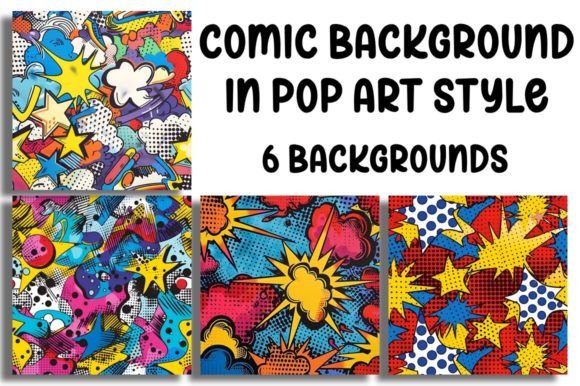
There’s a specific energy you get from classic pop art—it’s loud, it’s immediate, and it refuses to be ignored. If you’ve ever looked at a Roy Lichtenstein painting or a vintage Marvel cover and felt that surge of excitement, you know exactly what I’m talking about. That is the core DNA of our Comic Kaleidoscope collection. We aren't just offering static images here; we are offering a visual language. These backgrounds are built on the pillars of pop art style comics, utilizing high-contrast colors, Ben-Day dots, and strong black outlines to create a sense of motion and drama that static photography often struggles to achieve.
The real value of this collection lies in its versatility as a design asset. In a digital landscape that is often oversaturated with minimalism, a vibrant, textured background can act as a powerful anchor for your content. Whether you are a graphic designer building a pitch deck, a marketer crafting an email campaign, or a hobbyist creating stickers, these backgrounds provide an instant narrative context. They tell the viewer, "Pay attention, something fun is happening here." It’s about using the visual cues of comic book aesthetics to guide the viewer's eye without overwhelming your foreground content.
The Visual Language: More Than Just Bright Colors
When we talk about pop art style comics, we are looking at a very specific set of visual rules that define the genre. It’s not just about being colorful; it’s about the type of color and the structure of the image. You’ll notice the halftone textures—those distinct dots that create gradients in print comics—which give the artwork a tactile, tangible feel even when viewed on a screen. This is crucial for modern typography and design because it bridges the gap between the digital and the physical.
Furthermore, the line work in these backgrounds is intentional. The thick, confident strokes are reminiscent of the handwritten font or script font styles often seen in comic speech bubbles, but here they are used to create depth and perspective. This style pairs exceptionally well with bold sans serif font choices for your headlines. The background provides the "noise" and texture, allowing your clean, geometric typeface to pop with clarity. It is a masterclass in contrast—pairing the chaotic energy of the background with the structured order of your brand identity text.
Practical Applications for Modern Creators
So, where does this specific aesthetic actually work in the real world? The applications are broader than you might think. For packaging design, especially in the food, beverage, or toy industries, these backgrounds instantly communicate "fun" and "approachability." Imagine a snack brand using a dynamic comic burst pattern as the background for their nutritional information—it turns the mundane into the engaging.
In the realm of digital art and social media graphics, the "thumb-stopping" power of these images is undeniable. Algorithms favor engagement, and high-contrast, colorful imagery tends to generate more interaction than muted tones. A small business owner running a sale can use a "POW" or "BAM" style background to draw attention to a discount code. Similarly, bloggers and publishers can use these as featured images or section dividers to break up long blocks of text, adding a rhythmic visual pause that keeps the reader scrolling.
Strategic Pairing and Brand Perception
Choosing to use a pop art style comic background is a strategic decision about brand perception. It signals that your brand is energetic, transparent, and perhaps a little rebellious. However, to maintain professionalism, you need to manage the hierarchy carefully. Because these backgrounds are visually dense, your foreground elements need to breathe.
Here is a practical tip for font pairing: Avoid using a serif font or a highly decorative display font directly on top of the busiest parts of the background. Instead, place your text inside solid color blocks or use a drop shadow that mimics the thick black outlines of the comic style. This maintains the visual hierarchy and ensures readability. If you are working on a logo design, use the background to create a mood board or a texture overlay, but keep the logo itself clean. The goal is to use the background to enhance the brand identity, not compete with it.
Evaluating Quality and Commercial Fit
Not all comic assets are created equal. When evaluating design assets like the Comic Kaleidoscope collection, look closely at the resolution. A hallmark of premium font and asset sets is the ability to scale without pixelation. You want to ensure that the halftone dots remain sharp and the vector lines stay crisp, whether you are printing a large-format banner or resizing for a mobile app icon.
For entrepreneurs and content creators, the licensing is just as important as the look. Always verify that the commercial font or background license covers your specific use case—whether it's for merchandise, digital products, or client work. This collection is designed to be a workhorse in your toolkit. It’s not just for one-off projects; it’s a style that can be revisited for seasonal campaigns, product launches, or recurring social media series. By integrating these high-quality pop art style comics into your workflow, you are investing in a visual shorthand that instantly communicates excitement and creativity to your audience.