Weathered Wood Grain Texture Backgrounds: Authentic Style
There's a particular quality to real wood that digital screens often struggle to capture. It's not just the color or the grain; it's the sense of history, the subtle imperfections that tell a story of time and elements. This is the essence of Weathered Wood Grain Texture Backgrounds. This collection isn't about pristine, factory-fresh lumber. Instead, it offers the character of sun-bleached barn boards, the gentle cracks of driftwood, and the rich, time-worn patina of old farmhouse flooring. The visual personality is one of rustic warmth, authenticity, and quiet strength.
More Than a Surface: The Character in the Grain
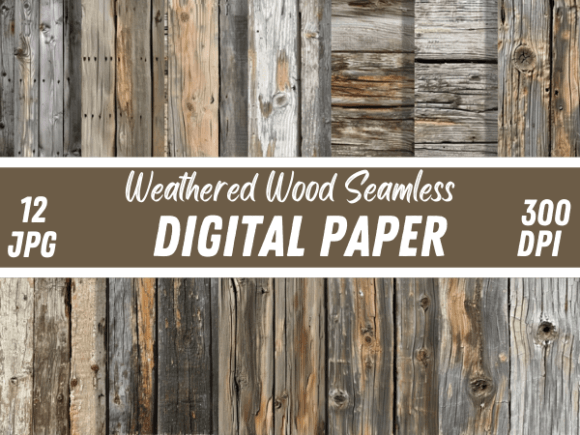
Each digital paper in this set presents a unique narrative. You'll find tones ranging from cool, silvery greys to warm, honeyed browns and beiges. The textures are detailed, showing the coarse veneer of oak, the rough-hewn feel of traditional timber, and the faded, antique finish of vintage planks. This isn't a flat, repetitive pattern. It's a seamless pattern background designed to tile flawlessly, making it ideal for large-scale applications where a continuous, believable texture is crucial. The 3600x3600 pixel dimension and 300 DPI resolution ensure that whether you're creating a small digital sticker or a large-format print, the detail remains crisp and the quality professional.
Think of these backgrounds as a versatile design asset. They serve as a foundational element, much like choosing a serif font for tradition or a sans serif font for modernity. The weathered wood grain sets a tone before you've even added your primary content. It communicates a brand personality that values heritage, craftsmanship, and organic quality. For a coffee roaster, it suggests earthy origins. For a wedding planner, it evokes rustic romance. For a craft blogger, it feels immediately like home.
Practical Applications for Creators and Businesses
The real value of this collection lies in its application. As a creative professional, I see these textures solving numerous design challenges. They are perfect for creating layered, tactile compositions in digital scrapbooking and junk journal design. The high details of wrapping paper make them excellent for printable gift wrap, gift tags, and greeting cards that feel handmade and special.
- For Branding & Marketing: Use these backgrounds in logo design presentations, packaging design mockups, and social media graphics. A weathered wood texture can ground a logo, adding depth and making a brand feel established and trustworthy. It's particularly effective for businesses in the food, beverage, artisan, or outdoor industries.
- For Print & Stationery: They are a natural fit for wedding stationery, invitation backdrops, and planner pages. The rustic aesthetic pairs beautifully with elegant script fonts for a romantic contrast, or with bold, clean typography for a more modern farmhouse feel.
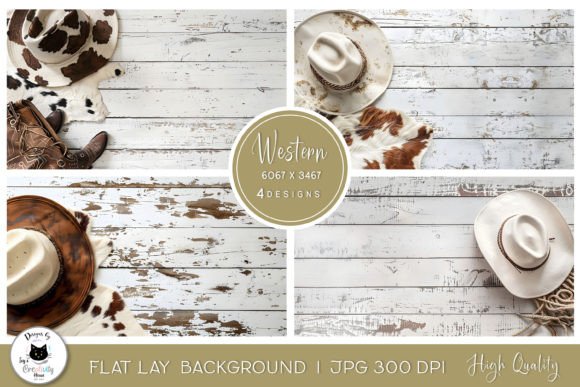
- For Digital & Craft Projects: Create stunning wall art, sublimation designs for acrylic tumblers and mugs, or vinyl decals with a unique, textured look. They also work wonderfully as backdrops for product photography, adding context and visual interest without distracting from the subject.
Integrating Texture into Your Design Workflow
Choosing the right background is about more than just aesthetics; it's about visual hierarchy and readability. A busy, high-contrast wood grain might overwhelm delicate text. Here’s how to use these textures effectively:
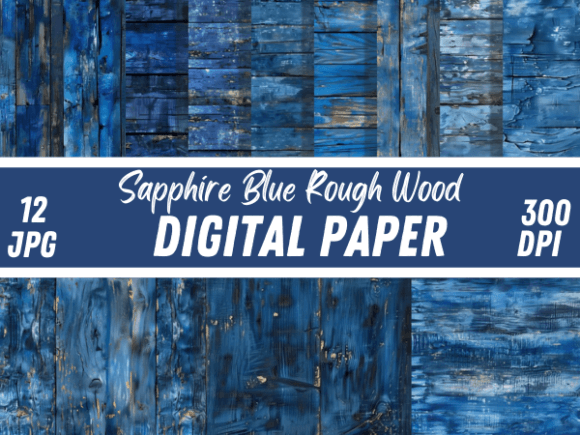
- Evaluate the Project's Tone: Match the texture's personality to your message. A deeply grooved, dark barnwood suits a whiskey brand's brand identity. A lighter, sun-faded driftwood is perfect for a coastal-themed blog or a summer event invite.
- Test Font Pairings: A handwritten font or a flowing script font can create a lovely, organic harmony with the wood grain. For contrast and clarity, pair it with a sturdy display font or a clean sans serif font. Always check that your text remains legible; sometimes, a subtle drop shadow or a semi-transparent overlay panel can help your message stand out.
- Consider the Medium: Remember, actual colors may vary slightly due to monitor settings. If you're designing for print, like for editorial design or book covers, it's wise to do a test print. The quality may vary depending on your printer and paper, so starting with a high-resolution asset like this is a critical first step.
This set of digital papers is more than just a collection of images; it's a toolkit for adding narrative and depth. It helps you move beyond flat, generic backgrounds and into a space where your designs have a story to tell. Whether you're a small business owner crafting your brand identity, a publisher designing a book cover, or a crafter making handmade goods, these textures provide a reliable, high-quality foundation that elevates your work from simply being seen to being felt.